


Trikoma Seeds feminised cannabis seeds come from lines selected so that the offspring is female, with no need to sex the specimens. Their genetic stability is the result of parent selection and character fixation carried out over several generations, so that the traits of each variety are preserved from one seed to the next. It is that consistency that gives the collection its value for anyone documenting and preserving genetic heritage.
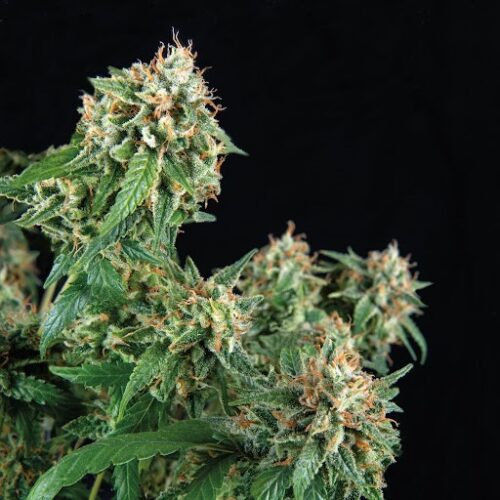
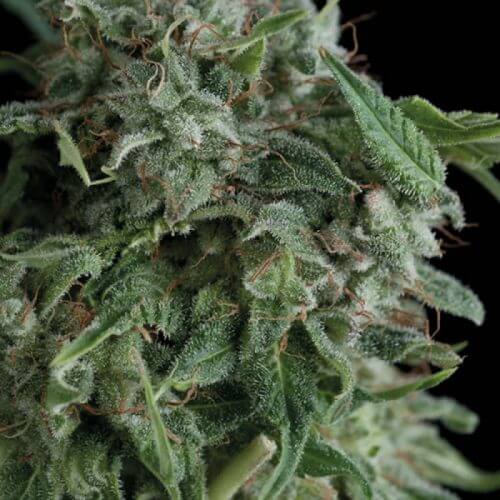
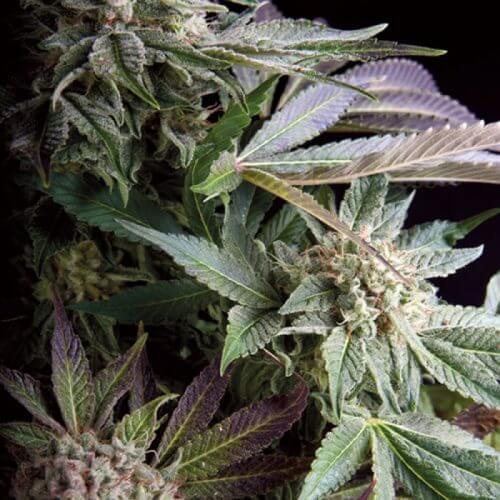

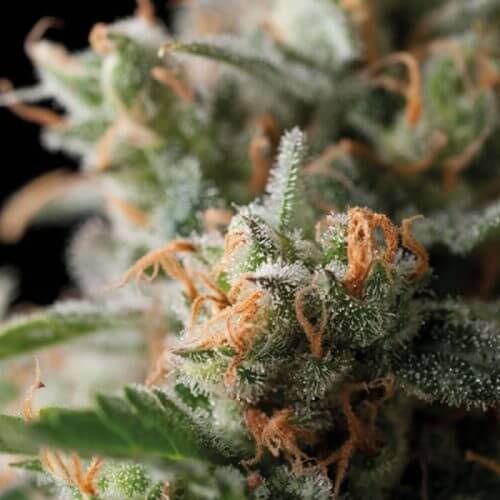
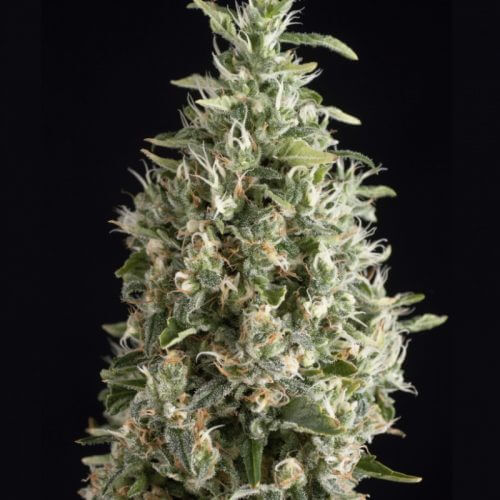
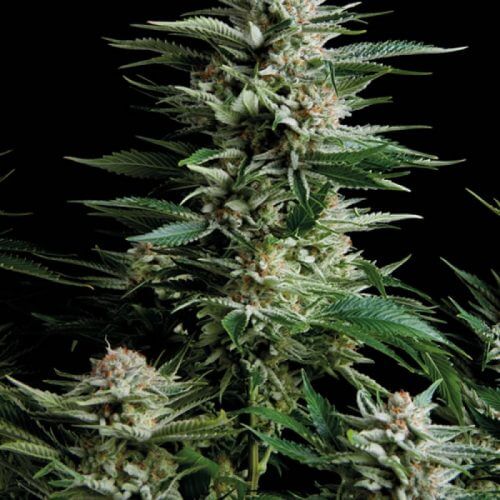
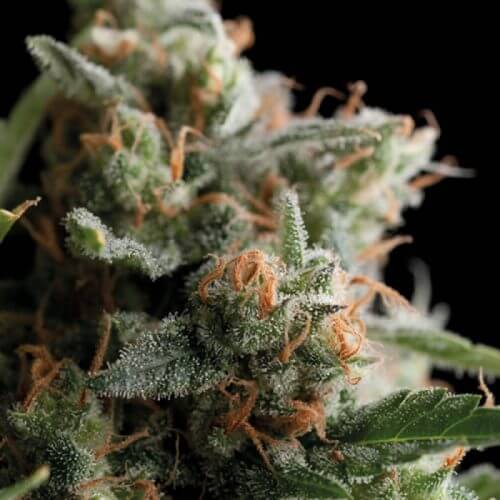
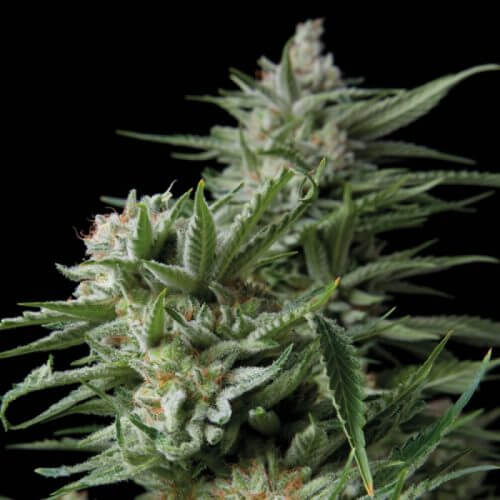
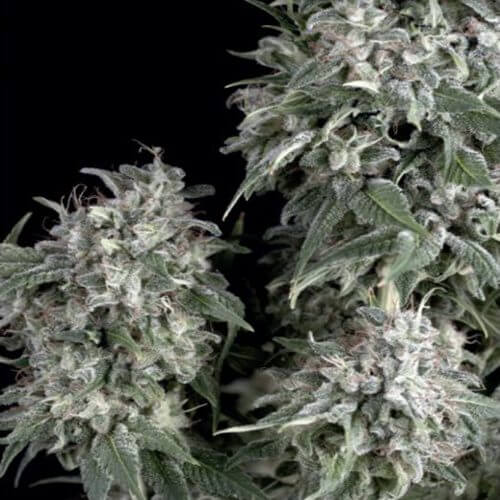
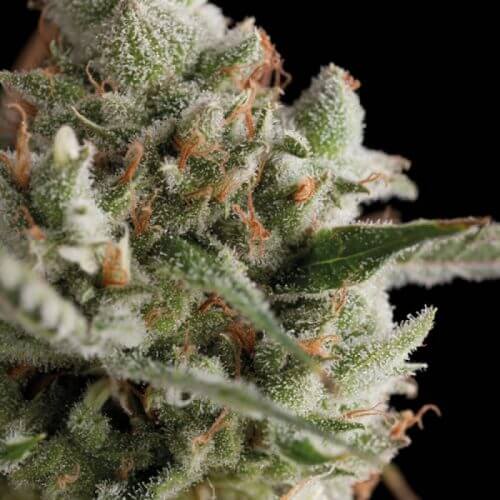
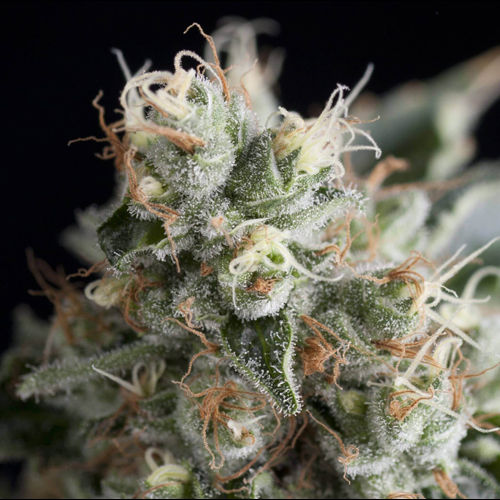
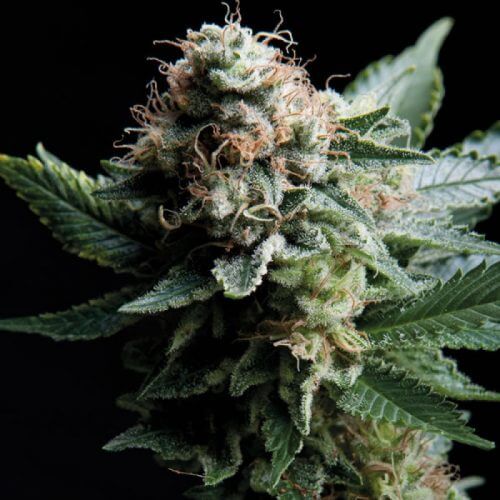
In cannabis genetics, the term “feminised” refers to seeds obtained through a breeding process that produces predominantly female specimens. It is a characteristic of the seed and of the line it comes from, not an indication of use: it defines what sex the resulting specimen will have and therefore which part of the cross’s genetic heritage is preserved in the collection.
Feminised seeds are the result of genetic improvement work carried out by the seed bank on its mother plants. That work can involve various techniques, such as applying colloidal silver or silver thiosulphate solutions, as well as self-pollinating a previously selected female specimen. The end result is a seed with a high probability of producing a female specimen, with the traits of the parent line stably fixed.
Questions and answers about feminised cannabis seeds
Feminised cannabis seeds began to be developed in the 1980s, although their widespread use and mass production did not become common until later, in the 1990s. That innovation transformed the work of seed banks and genetic conservators, because it made it possible to preserve and distribute female lines without depending on chance in the offspring.
Since then, the feminised format has become the standard in the catalogue of most European seed banks. At Trikoma Seeds it covers both the classic varieties and the family of CBD seeds, and they all share the same data sheet: genetic origin, cannabinoid ratio, flowering time declared by the bank and aroma profile.
The genetic advantage of the feminised format is that the seed’s offspring is female in a very high percentage of cases, so the line is preserved without male specimens appearing that could contribute foreign pollen and alter the purity of the cross. That is why it is the preferred format in genetic conservation collections and in private collections.
Trikoma Seeds feminised seeds come in the usual formats: 5+1, 100 and 1,000 seeds.
Legal information
Trikoma Seeds sells its seeds exclusively for collecting and genetic preservation. Please check and comply with the legislation in your country. Sales are restricted to adults aged 18 or over.